
13K Kitchen: an independent cooking magazine about cookware, heat and technique
Cookware, heat and technique, with the source beside every claim.
Day 1 of 30 · next article 23 Oct
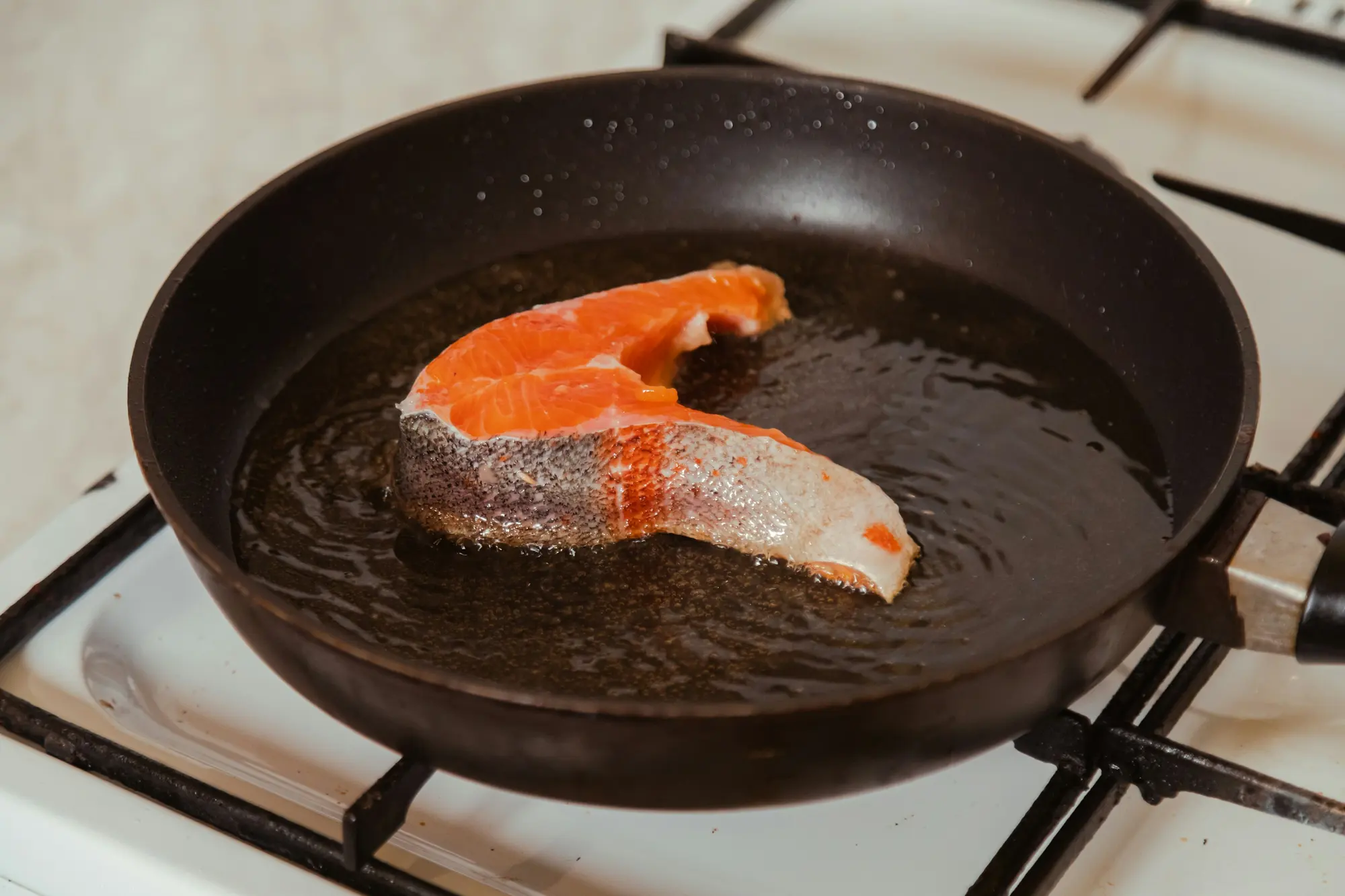
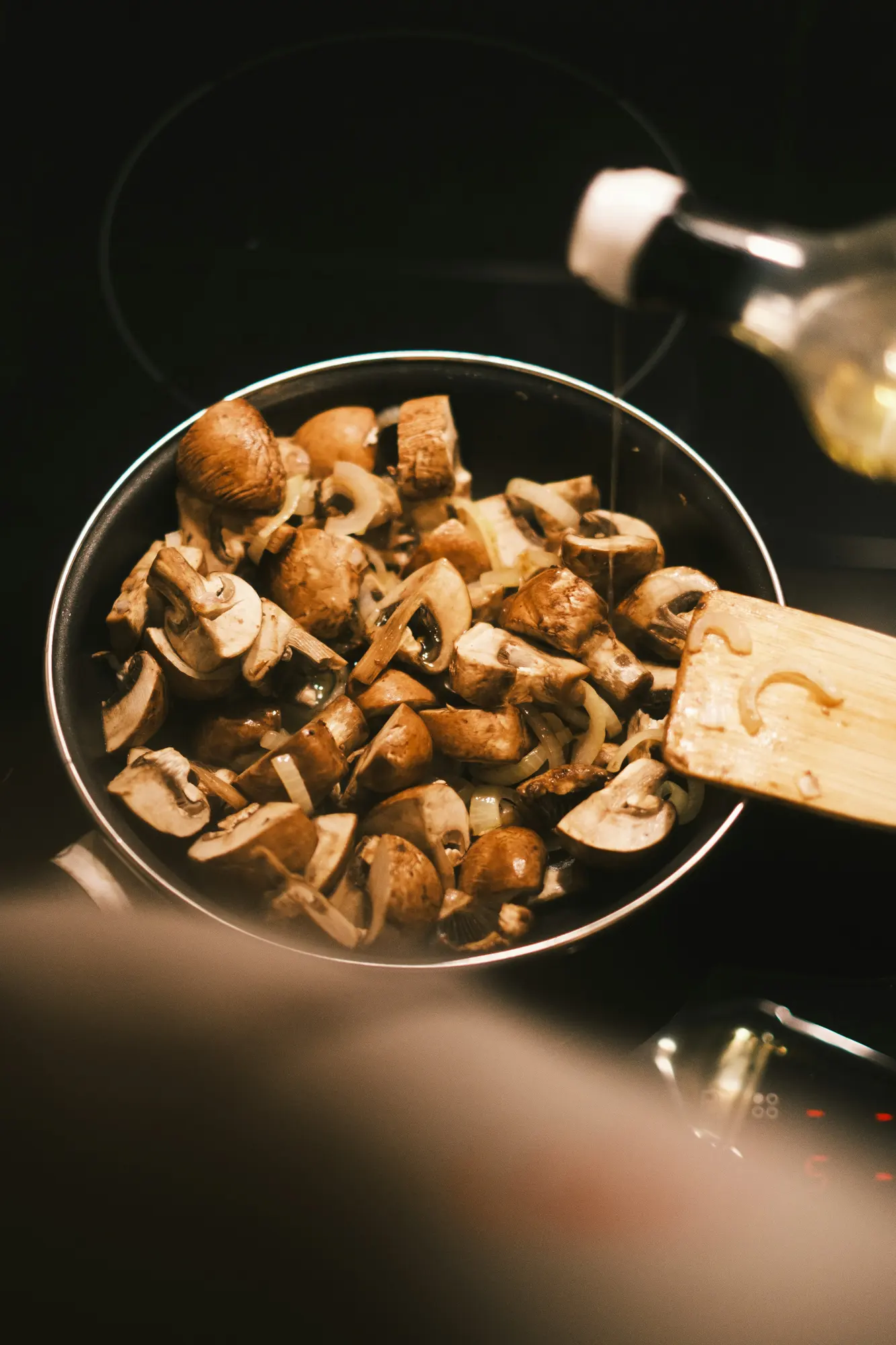
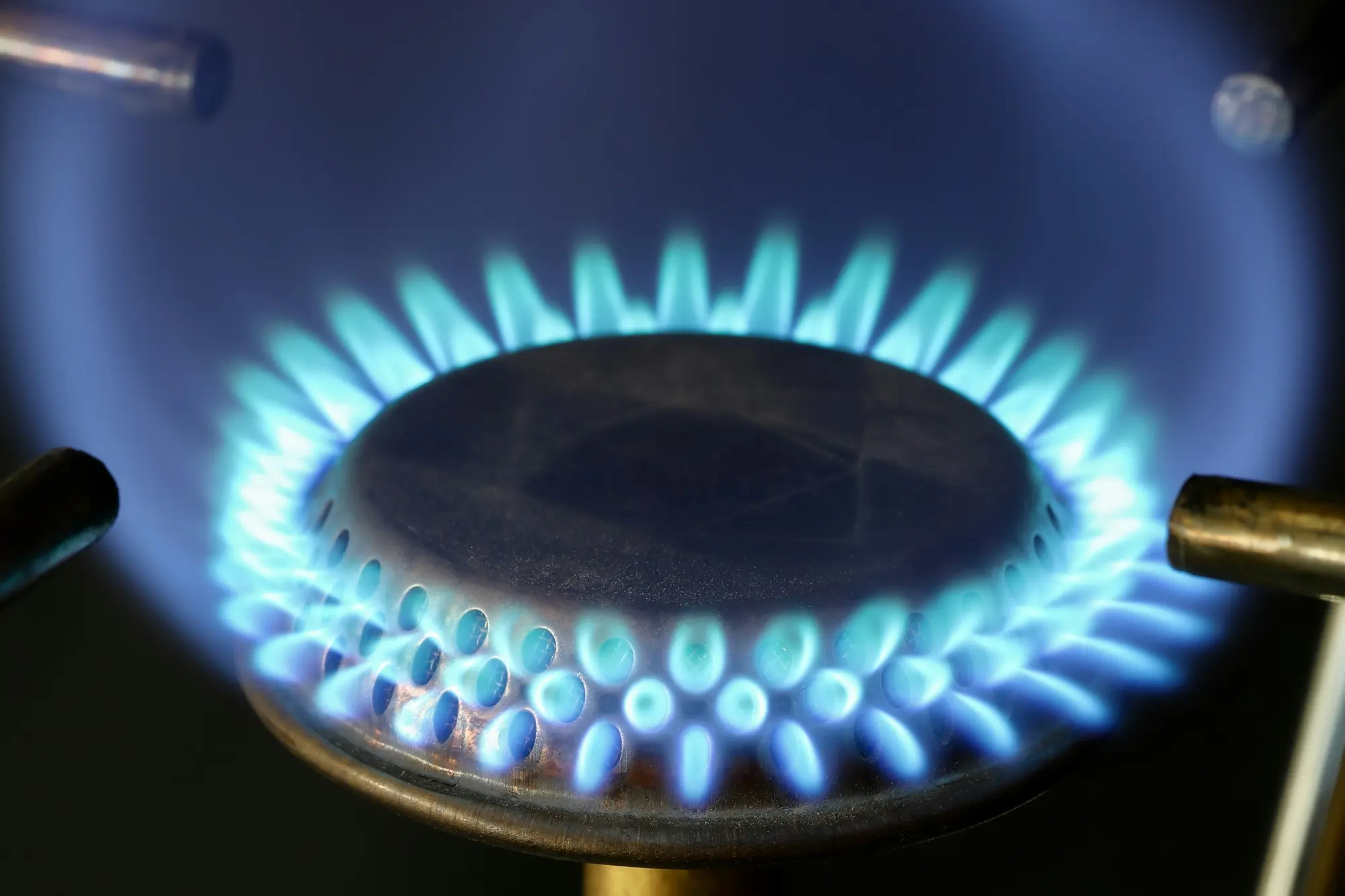
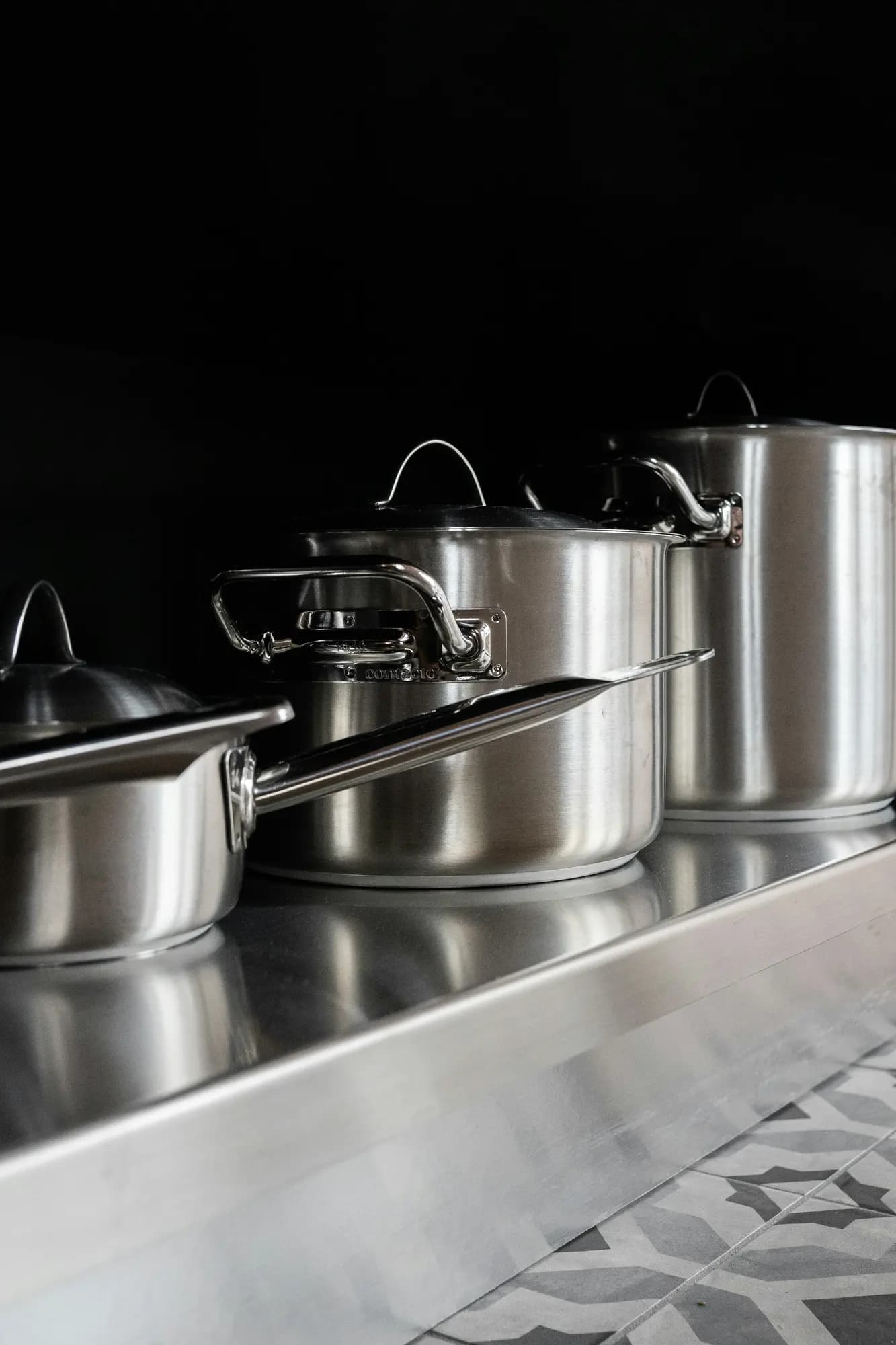
Cookware, heat and technique, with the source beside every claim.
Day 1 of 30 · next article 23 Oct
About this magazine
13K Kitchen is a cooking magazine about the things that decide whether dinner works: the pan, the heat and the method. Every claim about safety or science sits next to the source it came from, so you can check it yourself.
Who writes it. The editor and the 13K team, from Spain. We read the regulators and the studies, turn them into plain kitchen advice, and the editor reads and signs off every article before it goes out.
What it covers. Stainless steel, cast iron and nonstick pans, air fryers, browning and heat control, food storage, and a handful of recipes built on those techniques. Practical first, with the reason behind each step.
How we check. Food safety figures come from agencies such as the BfR, EFSA, the FDA, USDA and the UK Food Standards Agency; chemistry from peer-reviewed papers. A manufacturer's claim is labelled as one.
When it arrives. One new article every morning for thirty days, published at midnight Madrid time. No sign-up, no pop-ups and no advertising trackers. Follow along on the home page or by RSS.
The month so far
Cookware and materials1 of 9
- Stainless steel, cast iron or nonstick: which pan?22 Oct
- 8 more to come
Air fryer0 of 3
- 3 articles this monthfrom 27 Oct
Technique0 of 4
- 4 articles this monthfrom 31 Oct
Recipes0 of 5
- 5 articles this monthfrom 29 Oct
Kitchen know-how0 of 9
- 9 articles this monthfrom 3 Nov
The heat scale
From the freezer to a pan left empty on a high flame. Drag the scale or pick a temperature to read what happens there, and who says so.
100 °C · Water boils
While water or watery food is in the pan, it cannot get far above 100 °C. Wet food steams before it can brown.
Every mark on the scale, with its source
- -18 °C, Freezer. Food kept at about −18 °C stays safe: bacteria are paused, not killed. Time in the freezer costs quality, not safety. Source: Food Standards Agency · USDA Food Safety and Inspection Service
- 0 to 5 °C, Fridge. The fridge range. Cooked food goes in within one to two hours, divided into smaller portions so it cools quickly. Source: Food Standards Agency
- 8 to 63 °C, The danger zone. Between 8 and 63 °C bacteria can grow. Food should pass through this range quickly, cooling down or heating up. Source: Food Standards Agency
- 63 °C, Whole cuts and fish. 63 °C (145 °F) in the centre for whole cuts of beef, pork, veal and lamb, with a three minute rest, and for fish. Source: USDA Food Safety and Inspection Service
- 70 °C, Cooked through. 70 °C held for 2 minutes in the middle of the food, or 75 °C for 30 seconds, or 80 °C for 6 seconds. Source: Food Standards Agency
- 74 °C, Poultry and leftovers. 74 °C (165 °F) for chicken and turkey, casseroles and reheated leftovers. Source: USDA Food Safety and Inspection Service
- 100 °C, Water boils. While water or watery food is in the pan, it cannot get far above 100 °C. Wet food steams before it can brown. Source: German Federal Institute for Risk Assessment
- 110 to 270 °C, Oils start to smoke. Depending on the oil or fat, it begins to evaporate somewhere between 110 and 270 °C. Smoke is the warning. Source: German Federal Institute for Risk Assessment
- 120 °C, Acrylamide forms. Above about 120 °C with little moisture, starchy foods form acrylamide as they brown. Aim for golden, not dark. Source: European Food Safety Authority · Food Standards Agency
- 232 to 260 °C, Seasoning cast iron. Lodge bakes a thin layer of oil onto cast iron at 450 to 500 °F, upside down, for one hour. Source: Lodge Cast Iron
- 250 °C, A home oven at full. The maximum of a conventional home oven is around 250 °C, far below what releases substances from a PTFE coating. Source: German Federal Institute for Risk Assessment
- 360 °C, PTFE breaks down. From about 360 °C a PTFE coating decomposes and releases gases you cannot see. That is why a coated pan is never heated empty. Source: German Federal Institute for Risk Assessment
Five sections
How we choose sourcesCookware and the air fryer come first: what the pans and baskets are made of decides how you cook in them.
How the magazine is made
- Edited by
- The 13K team
- Published from
- Spain, in English
- Sources cited
- 39 documents
We read the regulator before the forum. When the German risk assessors, the European food agency and the American food agency agree, we say so plainly; when they differ, or when the evidence is thin, we show both and tell you what we would do in our own kitchen. Recipes follow standard home methods and published safety temperatures, and say so instead of claiming a test kitchen. Our method
Sources we read
- USDA Food Safety and Inspection Service7
- Food Standards Agency4
- European Food Safety Authority (EFSA)3
- U.S. Food and Drug Administration2
- European Chemicals Agency (ECHA)2
- Lodge Cast Iron2
- German Federal Institute for Risk Assessment (BfR)1
- International Agency for Research on Cancer1
- Peer-reviewed studies8
Rules we keep
- Sponsored articlesnone
- Affiliate linksnone
- Advertising trackersnone
- Claims without a sourcenone
- Correctionsdated, in the article
- New article00:00 Madrid