
The magazine
About and method
13K Kitchen explains the pan, the heat and the method, and puts the source next to every claim about safety or science.
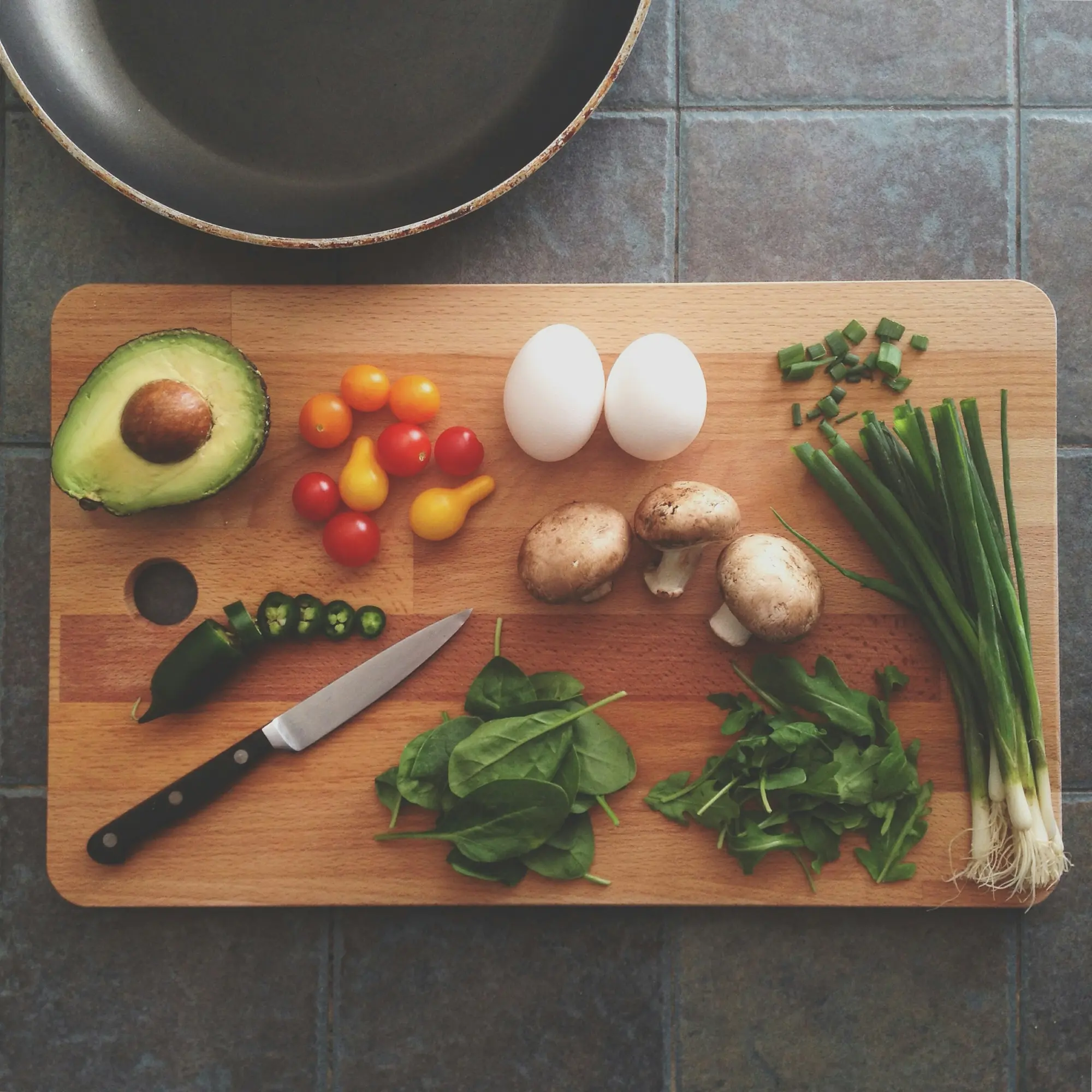
Photo: Katie Smith on Unsplash
Who makes it
13K Kitchen is edited by the 13K team and published from Spain, in English. It is independent: no brand pays for an article, there are no affiliate links, and the ads served by Google AdSense are labelled and kept apart from the articles, with no say in what we write (details in the privacy notice). Our legal details are on the legal notice.
How an article is made
- The question comes first. Each article starts from something people actually ask in the kitchen: why food sticks, whether a coating is safe, how long rice keeps.
- Primary sources, read in full. Safety figures come from food agencies and regulators (the German Federal Institute for Risk Assessment, the European Food Safety Authority, the European Chemicals Agency, the US Food and Drug Administration, the USDA and the UK Food Standards Agency, among others). Chemistry and physics come from peer-reviewed papers. We cite the page we read, with the date we read it.
- A number next to every claim. Each sourced statement carries a small number that jumps to the source at the end of the article. Where agencies disagree, or the evidence is thin, we say so rather than pick the scariest or the most reassuring line.
- Manufacturers are labelled. When the only source for a fact is the company that sells the product (a coating's composition, a care instruction), the source list says “manufacturer”.
- Recipes are honest about their method. They follow standard home techniques and the published safety temperatures. We do not run a test kitchen and we do not claim one; each recipe gives the doneness cue to trust over the clock.
- The editor signs off. Nothing goes out until the editor has read the article in full and signed it off. The signature is tied to the exact text: if an article changes afterwards, it is held back until it is read and signed again.
What we cite
Right now the magazine cites 39 documents: 8 from food and chemicals agencies, 15 from regulators, 1 piece of EU law, 8 peer-reviewed papers, 6 manufacturer pages and 1 reference guide. The full list, with the articles that use each one, is on the sources page.
When articles go out
One article every morning for thirty days, published at midnight Madrid time. The home page shows the month as a contact sheet: each frame is one morning, and a frame turns from negative to picture on the day its article is out. You can follow by RSS; there is no newsletter sign-up and nothing to accept.
Photographs
The photographs come from Unsplash under the Unsplash License, and each one credits its photographer. They show the kind of pan, appliance or dish an article is about. They are not photographs of our own cooking.
Corrections
If something is wrong, tell the editor. When we correct an article, the correction and its date appear at the end of it, and the article is signed off again.
Not medical advice
The magazine is general information about cooking and food safety. It is not medical advice. If you have an allergy (to nickel, for example), a condition or a question about your own diet, ask your doctor or a registered dietitian.