In short
- Browning only starts once surface water has gone: dry the vegetables, use a hot oven (200 to 220 °C, or 180 to 200 °C fan) and do not crowd the tray.
- Cut pieces to the same size, coat them thinly in oil and leave them alone for the first 15 to 20 minutes before turning.
- Roast potatoes and other starchy roots to golden, not dark brown: browning starchy food above 120 °C forms acrylamide.
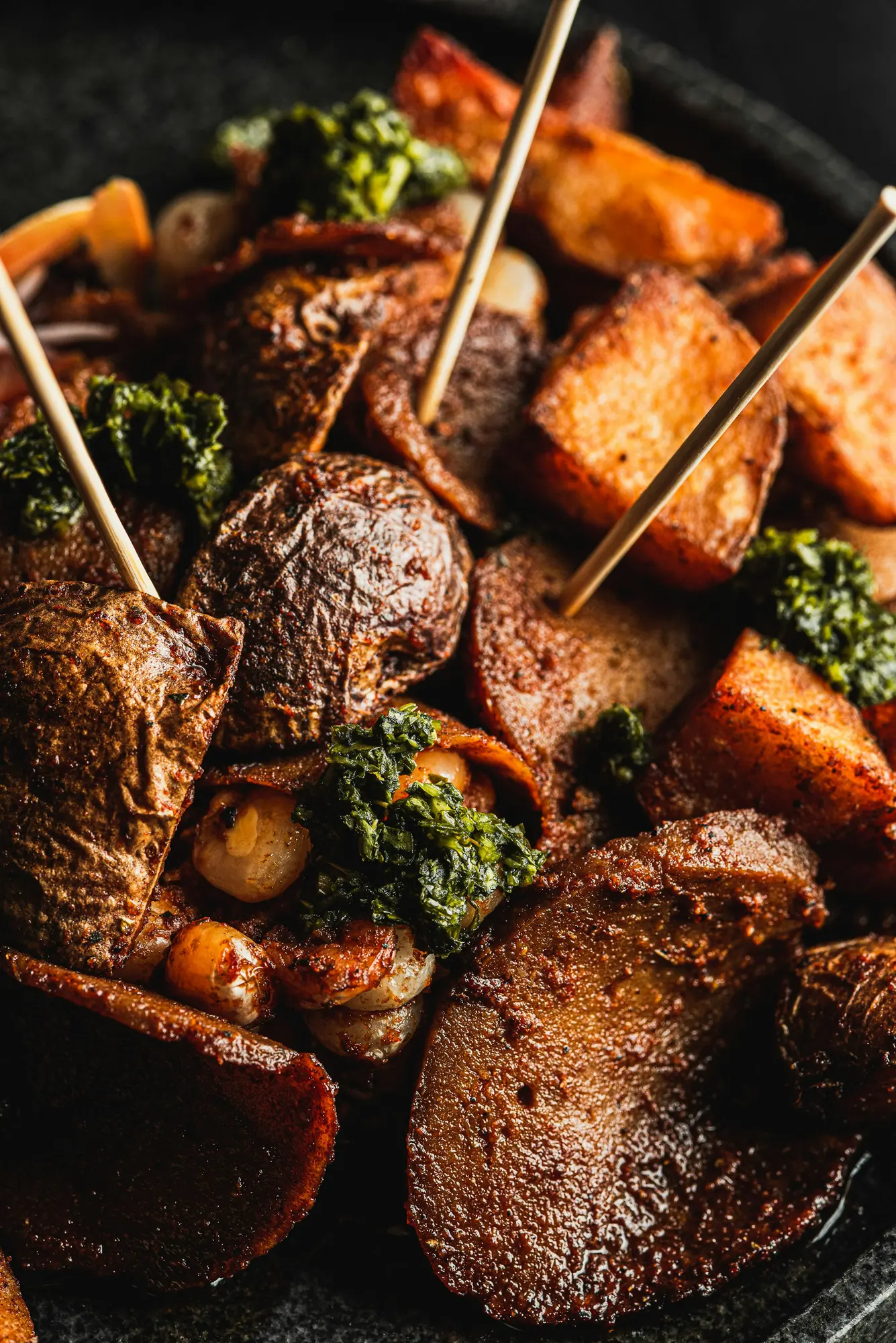
Roasting is the easiest way to make vegetables taste like more than themselves. The edges turn sweet and nutty, the centres go soft, and a tray of carrots, onions and squash becomes something people ask for. When it goes wrong, the result is limp, pale and watery. The difference is almost entirely about water and space.
Why vegetables brown, and why they sometimes do not
Browning is chemistry. Much of the colour and roasted flavour comes from the Maillard reaction, a family of reactions between sugars and amino acids that changes the colour, taste and texture of food as it heats1. Those reactions need temperatures well above the boiling point of water, and here is the catch: as long as water is present on the surface of food, it holds the temperature close to 100 °C2. Vegetables are mostly water. In the oven, that water has to evaporate before the surface can climb high enough to brown.
So every rule for roasting comes down to one of three things: start with less water, let water escape quickly, or give the surface more heat.
Prepare for browning
Dry them. Wash vegetables early and let them dry, or spin and pat them dry. Water clinging to the surface is the first thing the oven has to boil off.
Cut evenly. Pieces of the same size cook at the same speed. For mixed trays, match the size to the density: carrots, parsnips and potatoes in smaller pieces; peppers, courgettes and red onions in bigger chunks.
Make flat sides. A cut face lying against a hot tray browns best. Halve Brussels sprouts, cut carrots on the diagonal or lengthways, and cut squash into wedges or half-moons.
Oil thinly. Toss the vegetables in a bowl with just enough oil to make every surface shine, about a tablespoon per tray for most vegetables. Oil conducts heat into the surface and helps it brown, but a puddle of it fries some pieces and leaves others greasy. Season with salt at the same time.
Heat and space
A properly hot oven. Around 200 to 220 °C, or 180 to 200 °C with the fan. Heat the oven fully before the tray goes in. Oils start to smoke somewhere between 110 and 270 °C depending on the type2, so if your oil smokes heavily at these temperatures, swap it for one that tolerates more heat, such as rapeseed or refined olive oil.
Preheat the tray. For potatoes and dense roots, put the empty tray in the oven while it heats, then tip the oiled vegetables onto it. They start sizzling at once instead of sitting in a cold pool of oil.
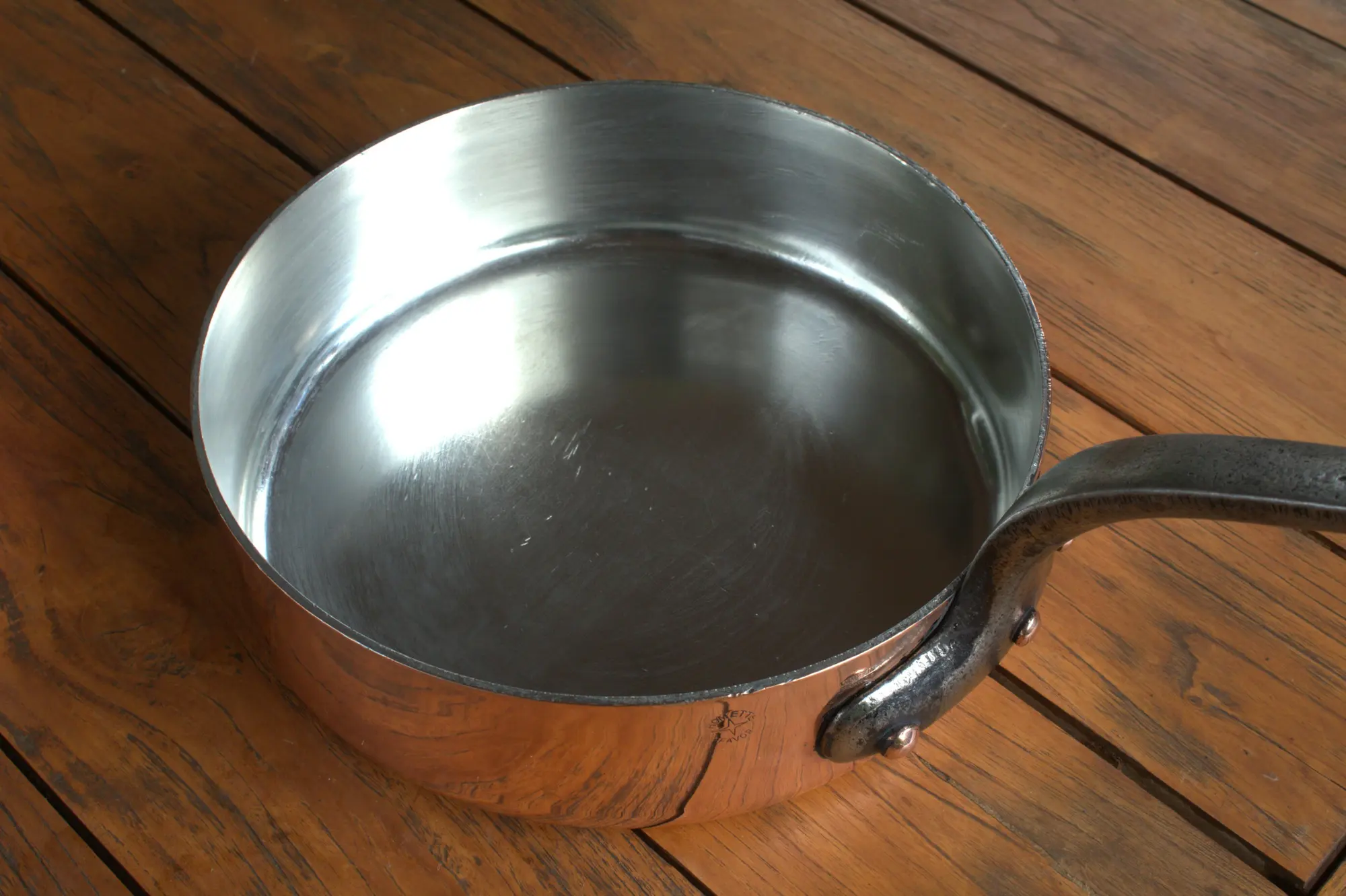
Give them room. This is the rule people break most often. Crowded vegetables release steam that has nowhere to go, so they boil in their own juices. Use a large tray, leave gaps between the pieces, and use two trays rather than piling up. A dark metal tray browns faster than a pale or glass one.
Use the top half of the oven for a single tray, or swap the trays round halfway if you are using two.
Leave them alone, then turn
Put the tray in and resist opening the door for the first 15 to 20 minutes. The side touching the metal needs time to brown and release. Then turn the pieces with a spatula, shake the tray, and roast until they are tender inside and browned at the edges.
As a rough guide at 200 to 220 °C:
| Vegetable | How to cut | Typical time |
|---|---|---|
| Potatoes | 3 to 4 cm chunks | 40 to 50 min |
| Carrots, parsnips | Batons or diagonal slices, 1.5 cm | 25 to 35 min |
| Squash, sweet potato | 2 to 3 cm wedges or cubes | 25 to 35 min |
| Red onion | Wedges, root left on | 25 to 35 min |
| Broccoli, cauliflower | Florets with a flat side | 20 to 25 min |
| Brussels sprouts | Halved | 20 to 25 min |
| Peppers, courgettes | Large chunks | 20 to 30 min |
| Cherry tomatoes | Whole | 15 to 20 min |
Ovens vary, and so do vegetables. Check with the tip of a knife and look at the edges, not the clock.
Golden for potatoes and starchy roots
There is one reason not to chase the darkest colour. Acrylamide forms when starchy foods, including potatoes and root vegetables, are cooked at high temperatures, above 120 °C3. The European Food Safety Authority concluded that it potentially increases the risk of cancer for consumers in all age groups, and that home cooking choices make a substantial difference to how much we eat4. The UK Food Standards Agency's advice is to aim for a golden yellow colour or lighter when roasting starchy foods3.
That applies most to potatoes, parsnips and other starchy roots. Deeply coloured edges on broccoli, onions or peppers are a different matter, but burnt black bits taste bitter on any vegetable, so take the tray out when the edges are browned rather than charred.
Finishing touches
Roasted vegetables love a contrast at the end:
- Acid: a squeeze of lemon, a splash of vinegar or a spoon of yoghurt.
- Fresh herbs: parsley, mint, dill or coriander, scattered over just before serving.
- Crunch: toasted seeds, chopped nuts or crisp breadcrumbs.
- Richness: crumbled feta, a little grated parmesan or a drizzle of tahini.
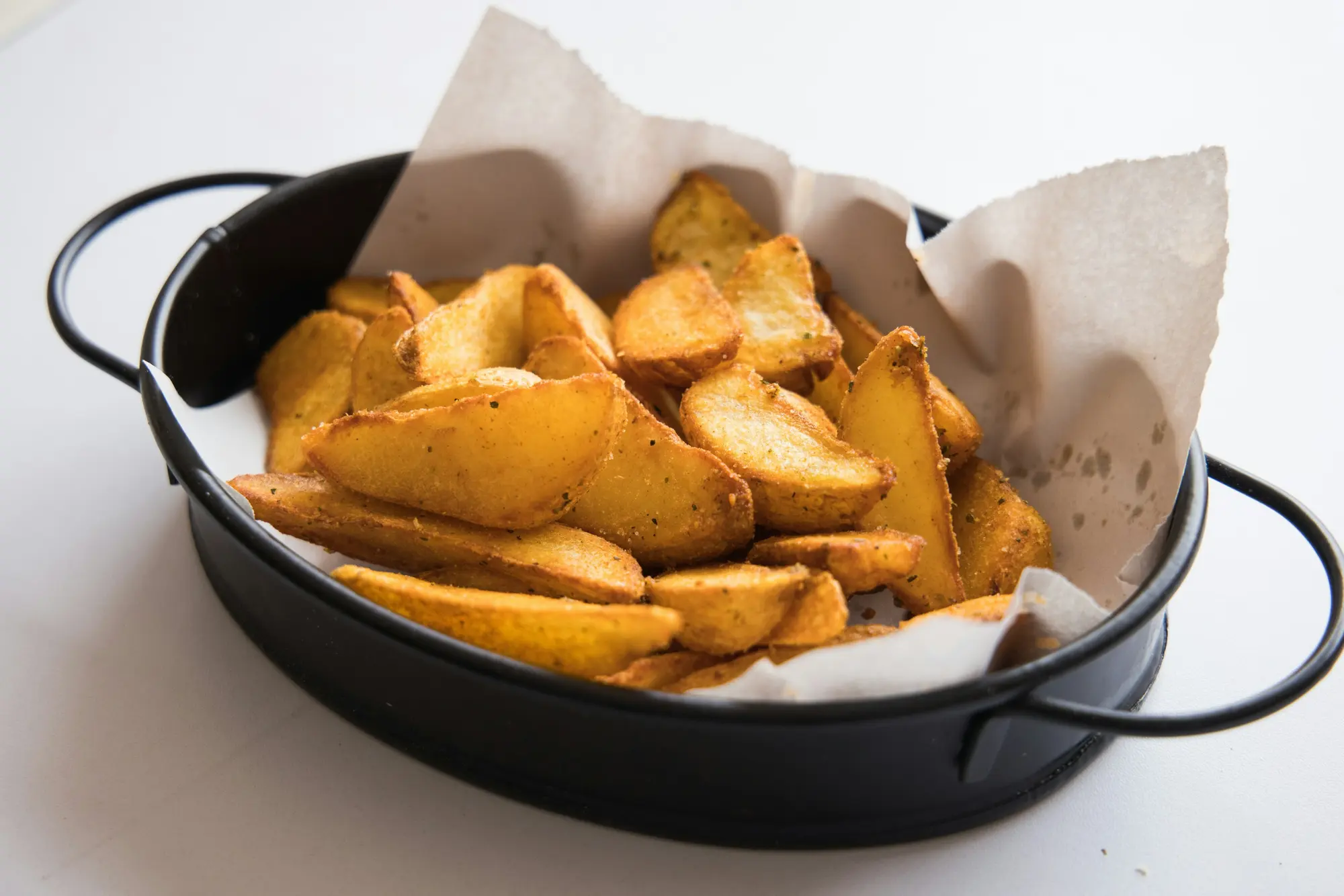
Leftovers keep in the fridge for a few days and are good cold in salads, blended into soup, folded into an omelette or reheated in an air fryer or a hot oven until steaming. If you cook potatoes in an air fryer, our recipe for crispy air fryer potato wedges applies the same ideas on a smaller scale, and the same logic of dry food, hot metal and patience is behind our guide to stopping food sticking to stainless steel.
Questions
What temperature should I roast vegetables at?
Around 200 to 220 °C in a conventional oven, or 180 to 200 °C with the fan. Lower than that and the vegetables soften before they colour; much higher and the edges scorch before the centres are tender.
Should I cover vegetables with foil when roasting?
Not if you want them browned. Foil traps steam. Cover only very dense vegetables, such as whole beetroot, for the first part of cooking, then uncover to brown.
Why do my roasted vegetables go soggy?
Too many on the tray, too much oil, too low a temperature, or wet vegetables. Use two trays, dry the pieces, toss them in a thin coat of oil and make sure the oven is fully heated before they go in.
Can I roast different vegetables together?
Yes, if you cut them to match their cooking times: dense roots in smaller pieces, soft vegetables like courgettes and peppers in bigger ones, or add the soft ones to the tray part way through.
Sources
Numbered in the order the article cites them. Opened and read on the date shown.
- Control of Maillard reactions in foods: strategies and chemical mechanisms (J Agric Food Chem 2017;65(23):4537-4552) Lund MN, Ray CA, 2017. Read Thursday, 22 October 2026.
- Selected questions and answers on cookware, ovenware and frying pans with a non-stick coating made of PTFE German Federal Institute for Risk Assessment (BfR), 2025-07-02. Read Thursday, 22 October 2026.
- Acrylamide Food Standards Agency (UK), 2018-01-09. Read Thursday, 22 October 2026.
- Acrylamide European Food Safety Authority (EFSA). Read Thursday, 22 October 2026.
How we write and check: our method. Spotted an error? Tell the editor.